
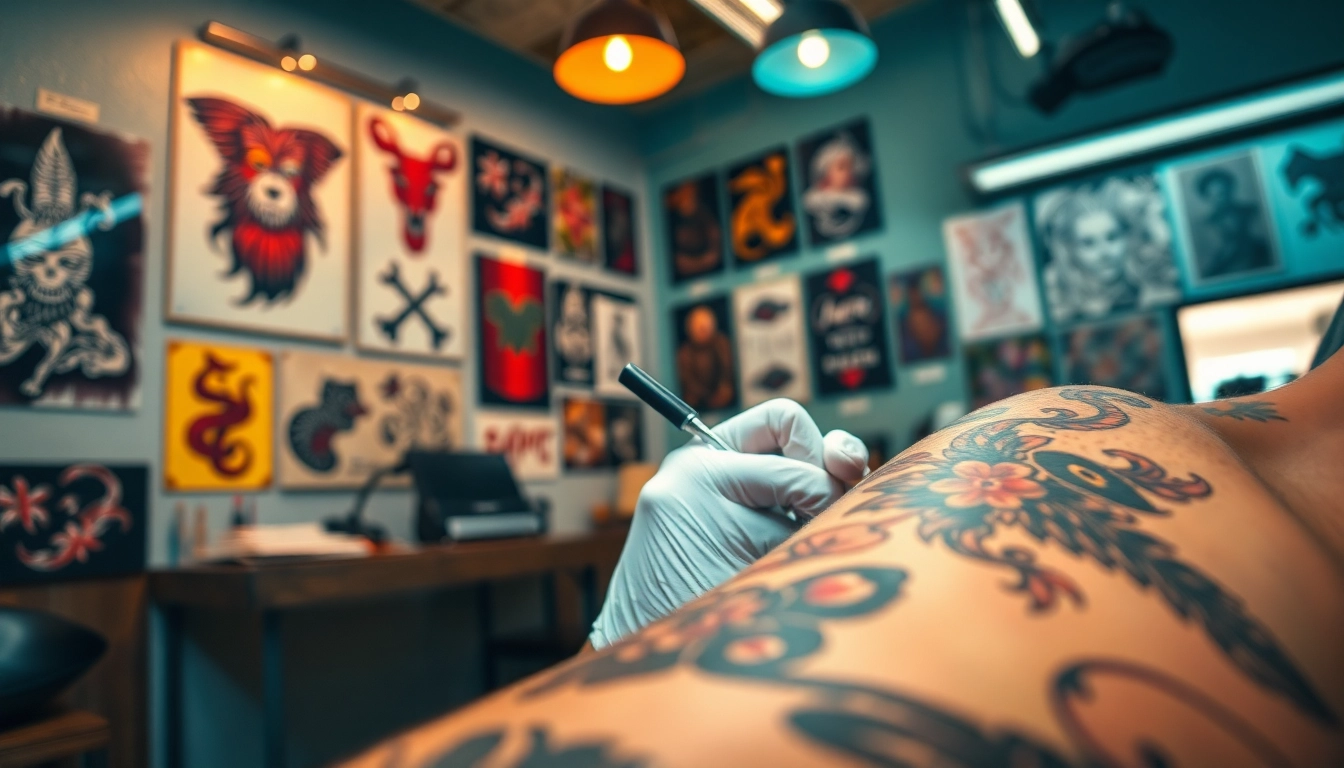
Understanding the Tattoo Industry in 2026
The tattoo industry has seen remarkable transformations over recent years, evolving from a niche subculture into a mainstream art form embraced by diverse demographics. As we enter 2026, it's essential to explore the trends, technologies, and consumer preferences that are shaping this dynamic landscape. The continued acceptance of tattoos as a form of self-expression and artistry signifies a profound cultural shift. When exploring options, https://89bet.tattoo/ provides comprehensive insights into the evolving trends in tattoo artistry.
Evolution of Tattoo Styles and Techniques
Over the past decade, tattoo styles have diversified significantly. Traditional tattooing styles such as tribal and Japanese have evolved into contemporary forms that incorporate elements from various cultures and artistic movements. Notable trends include:
- Watercolor Tattoos: This technique allows for vibrant, blendable colors, often resembling watercolor paintings.
- Minimalism: Simple lines and understated designs have gained popularity, appealing to those wanting something elegant yet subtle.
- Geometric Patterns: These tattoos emphasize symmetry and precise lines, often combined with negative space for added effect.
Additionally, advancements in tattooing technology, such as improved ink formulations and rotary tattoo machines, have enhanced the precision and quality of tattoos, enabling artists to execute intricate designs more efficiently.
Consumer Trends and Preferences
The demographic landscape of tattoo enthusiasts is broadening, with more individuals in professional environments embracing body art. Surveys indicate that millennials and Gen Z are more likely to have tattoos compared to older generations, viewing them as a form of personal expression rather than rebellion. This shift has led to:
- Increased Female Engagement: Women are increasingly interested in tattoos, often choosing designs that resonate with personal stories or empowerment themes.
- Customized Tattoos: There is a growing preference for bespoke tattoos, with clients seeking unique designs that reflect their individuality.
- Social Media Influence: Platforms like Instagram and TikTok have become vital for artists to showcase their work, attracting a wider audience and fostering a community.
The Role of Technology in Tattooing
Technology plays a pivotal role in modern tattooing, influencing both the artistic process and consumer experience. Innovations include:
- 3D Design Software: Artists can now create detailed computer-generated designs, allowing clients to visualize their tattoos before application.
- Virtual Reality (VR): Some studios are experimenting with VR to help clients immerse themselves in the design process, enhancing their overall experience.
- Online Booking Systems: Many tattoo parlors are adopting online platforms for appointments, making it easier for clients to find and connect with artists.
Choosing the Right Tattoo for You
Choosing a tattoo is a personal journey that requires careful consideration. The right tattoo reflects your identity, beliefs, and experiences, making the decision both exciting and daunting. Here are some key factors to consider:
Exploring Design Options and Meanings
Tattoo designs can range from abstract symbols to intricate portraits, each carrying its own significance. Researching the meanings of various symbols and styles can help in selecting a design that resonates with you. Consider:
- Symbolism: Many choose tattoos based on meanings, such as personal growth, love, or strength.
- Artistic Style: Explore different styles—whether traditional, neo-traditional, blackwork, or illustrative—to find what aligns with your aesthetic preferences.
- Size and Placement: Consider how visible you want your tattoo to be and how much space you wish to allocate on your body.
Best Practices for Tattoo Selection
Selecting the right tattoo artist is as crucial as choosing the design itself. Look for experienced artists whose portfolios align with your desired style. Recommendations and reviews from previous clients can provide valuable insight. Moreover:
- Ensure the artist has a professional online presence showcasing their work.
- Engage with the artist about your vision and ask for their input on design feasibility.
- Schedule a consultation to discuss ideas, the process, and any concerns regarding the tattoo.
Common Misconceptions Addressed
Many individuals harbor misconceptions about tattoos that can affect their decision-making process. Addressing these can help demystify the process:
- Permanence: While tattoos are considered permanent, advancements in laser removal technology have made it possible to alter or remove tattoos if needed.
- Professionalism: The stigma surrounding tattoos in professional settings is steadily diminishing as more workplaces embrace diversity in personal expression.
- Pain Levels: Pain tolerance varies, and while some areas are more sensitive, many describe the feeling as less intense than expected.
Health and Safety in Tattooing
Health and safety standards are paramount in the tattooing process, ensuring that clients receive tattoos in a clean and safe environment. Understanding these practices can help you choose a reputable studio and artist.
Understanding Tattoo Aftercare
Aftercare is critical to the healing process and overall longevity of your tattoo. Proper care involves:
- Keeping the tattoo clean and moisturized.
- Avoiding sun exposure to prevent fading.
- Not soaking the tattoo in water for extended periods.
Follow your artist’s aftercare instructions closely to ensure optimal healing and minimize the risk of infection.
Sanitation Standards in Modern Studios
Reputable tattoo parlors prioritize sanitation by adhering to strict health protocols, which include:
- Using single-use needles and ink cups.
- Regularly disinfecting surfaces and equipment.
- Ensuring artists wear gloves during the procedure.
Consultation and Communication with Artists
Effective communication with your artist is crucial for ensuring your vision is realized. During the consultation:
- Discuss your design ideas and any specific concerns you may have.
- Ask about the techniques and inks that will be used in your tattoo.
- Clarify pricing, appointment duration, and any follow-up care.
Marketing Your Tattoo Business
For tattoo artists and studio owners, effective marketing strategies are essential for gaining visibility in a competitive market. Embracing innovative promotional tactics can grow a loyal clientele.
Effective Social Media Strategies for Artists
Social media platforms are powerful tools for tattoo artists to showcase their work and attract new clients. Utilize these strategies:
- Post high-quality images of completed tattoos to your profiles.
- Engage with followers through Q&A sessions to answer industry-related questions.
- Use relevant hashtags to increase the discoverability of your posts.
Building a Loyal Clientele through Engagement
Maintaining strong relationships with clients fosters loyalty. Strategies include:
- Sending personalized follow-up messages after a tattoo session.
- Offering referral discounts for clients who bring in friends.
- Creating loyalty programs for repeat clients.
Collaborations and Partnerships for Growth
Collaborating with other artists and businesses can expand your reach. Consider:
- Partnering with local businesses for cross-promotional events.
- Engaging in themed tattoo days or charity events to raise awareness.
- Working with influencers to tap into larger audiences.
Future Predictions for the Tattoo Industry
The tattoo industry is poised for continued growth and innovation. Understanding the trends that are likely to shape the future can help artists and clients alike prepare for the changes ahead.
Emerging Styles and Techniques to Watch
As the industry evolves, new styles and techniques will likely emerge, including:
- Augmented Reality Tattoos: The integration of AR technology may allow tattoos to come to life when viewed through a smartphone or AR glasses.
- Sustainable Inks: As environmental awareness grows, there is likely to be a shift towards eco-friendly inks and practices.
- Personalized and Data-Driven Designs: Advances in design software might enable tattoos tailored to individual genetic traits or personal histories.
Predicted Changes in Consumer Behavior
Consumer attitudes towards tattoos will continue to evolve, influenced by cultural shifts and media representation. Expect changes such as:
- Increased acceptance of tattooed professionals across various industries.
- A growing interest in tattoo artistry as a legitimate form of contemporary art.
- Shifts in what is considered “trendy” as more diverse populations express their identities.
Technological Advances Shaping Tattoo Art
Technological advancements will play a significant role in the future of tattooing. For more information, Đăng nhập 89bet offers valuable insights. Innovations may include:
- Enhanced tattoo machines offering precision and efficiency.
- Cloud-based platforms for managing bookings and customer relationships.
- Potential uses of artificial intelligence in design creation and client consultation.